
27
Oct 2026
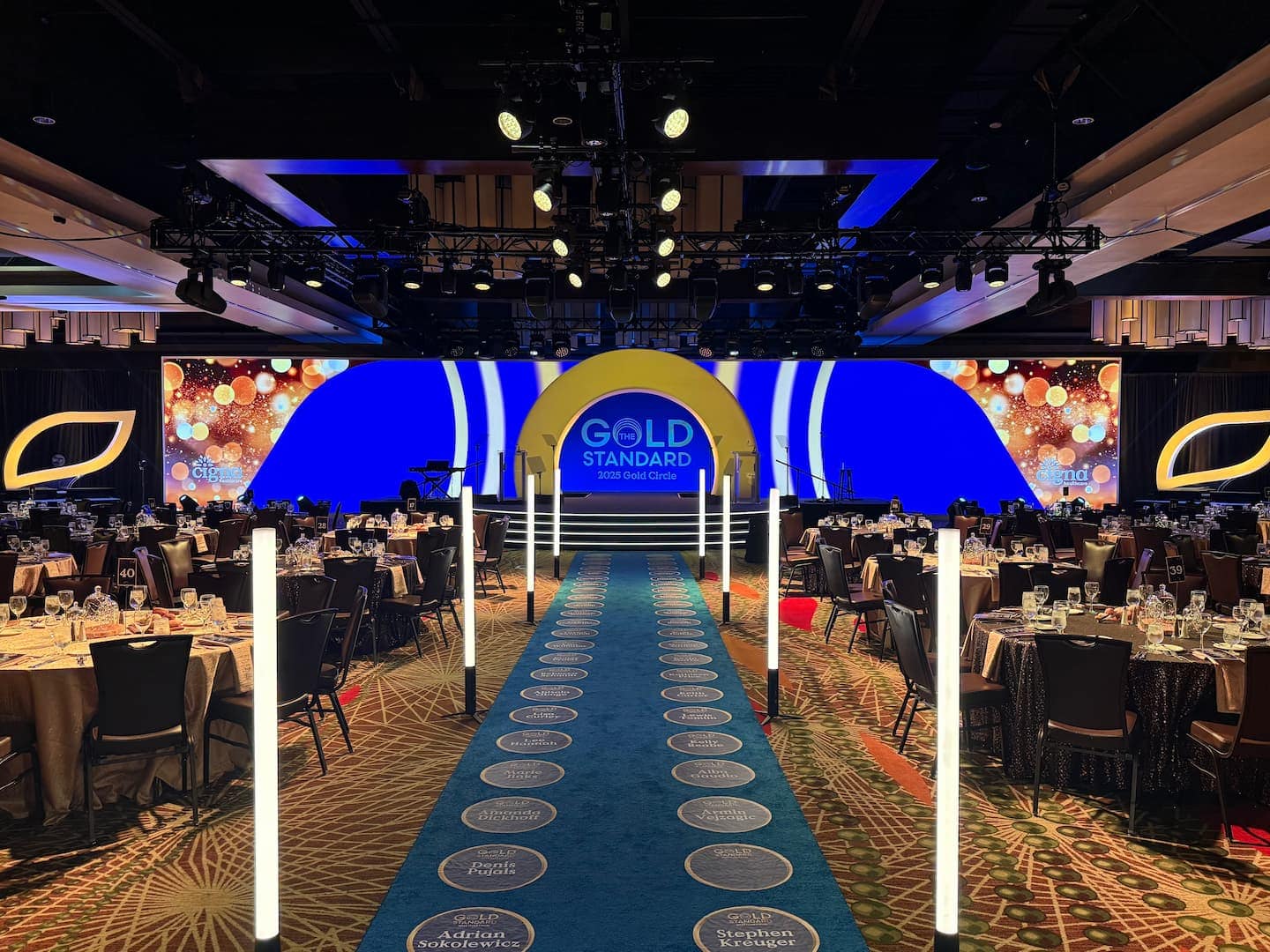
Two proposals land in your inbox for the same event—one clearly costs more. Which is the better value? The truth: you can’t know by looking at the total. Comparing AV proposals is about more than price; it’s about evaluating two different production plans, each shaped by choices on equipment, crew, schedule, venue, and program. At Premier Creative Group, we believe you should always read the production plan first, and the price second.
In this guide, we’ll highlight the most common differences between AV proposals and share a straightforward approach to comparing them—so you can spot true scope differences (not just pricing gaps).
What Does It Mean to Compare AV Proposals?
Comparing AV proposals means checking whether you’re actually looking at two quotes for the same show. Often, you’re not. One may include a full rehearsal and dedicated show caller; another may skip rehearsals entirely and have techs call their own cues. Both might be accurate, but they describe different levels of service and show-day experience.
That’s why we encourage planners to focus on the production plan—not just the price tag. A higher number isn’t always better, and a lower one doesn’t guarantee value. The real question: what’s actually included, what’s left out, and what does each proposal assume about your event?
Want to dig deeper into what drives AV pricing? Check out our post on The Hidden Economics of General Session AV. This guide goes further—showing you how to put two full proposals side by side and see the real differences.
Key Takeaway: Two proposals for the “same” event often price two very different shows. Before you compare totals, find out what each one assumes—about your gear, crew, schedule, and program.
Equipment and Engineering
Equipment is the easiest part to compare on paper—it’s a list of line items. But don’t be fooled: two lists that look similar might mean very different things. One may customize screen sizes for your room, while the other uses a cookie-cutter package. One spells out every microphone, camera, and playback device; the other just lists categories and saves the details for later.
Engineering is harder to spot—but it’s just as important. This includes everything that makes your equipment work in your space: audio system design, wireless frequency coordination, power distribution, and detailed CAD drawings. A proposal that includes engineering has already solved these puzzles; one that doesn’t may be leaving you with surprises on site.
When you review equipment lines, ask each AV partner how they arrived at their quantities. Was the package tailored to your room and program, or taken from a template? (See how we build integrated plans on our Event Production Services page.)
Key Takeaway: Matching gear lists don’t guarantee matching shows. Ask how each proposal sized its equipment and whether engineering for your venue is included—or left for load-in.
Labor, Crew and Show Management
Labor is often where proposals diverge most, and it’s rarely clear from a line that just says “technicians.” The number of people matters, but so does their experience. A seasoned lead engineer and a junior tech may both show up as “crew”—but they bring very different value to your show.
Next, look for the roles that hold your show together. A project manager owns your production from planning to teardown, tracking every change and deadline. A show caller directs every cue live—video rolls, lighting changes, and presenter mics. Content management ensures every slide, video, and graphic is collected, checked, and ready. Some proposals assign these as dedicated roles; others fold them into a tech’s duties, or leave them out entirely.
Our crews combine in-house W-2 technicians and stage managers with trusted freelancers—not anonymous subcontractors—so we know the people in our plan. Whoever you choose, ask for a clear list of crew roles and who’s actually calling your show.
Key Takeaway: Crew count alone tells you little. Compare roles and experience, and confirm whether project management, show calling, and content management are dedicated jobs or just “extras.”
Schedule, Venue and Program Complexity
Time is part of your project’s scope. Setup and strike (installing and removing gear) depend on your venue’s load-in window, the size of your build, and the crew on site. A longer setup isn’t always padding—it may simply be what’s needed for your room and program.
Rehearsal time is another variable. Proposals with technical and presenter run-throughs may cost more—but they give your team a vital opportunity to solve problems before showtime.
Venue requirements can shift pricing more than you’d expect. Room size, ceiling height, rigging points, power, dock access, house AV rules, and union requirements all shape your production plan. If one proposal accounts for these and another doesn’t, you may see the difference as a change order later.
Finally, check the room count and read the program. A general session plus multiple breakouts is not the same as a single ballroom. A show with live cameras, video, awards, and room flips needs more people and planning than a simple keynote with slides.
Key Takeaway: Schedule, venue, and program complexity are common price drivers. Make sure both proposals account for the same load-in windows, rehearsals, room count, and run of show.
How to Put Two Proposals Side by Side
Once you know what’s driving the difference, you can set the proposals side by side for a fair comparison. Here’s how to do it:
1. Start with the same program. Confirm both companies priced the same dates, rooms, sessions, and structure.
2. Match the sections. Place equipment, labor, schedule, and management lines next to each other. Mark anything that only appears in one proposal.
3. Separate scope from assumptions. Is a difference real scope (like an extra rehearsal) or simply an assumption (such as “venue supplies power”)?
4. Ask about the gaps. Send both companies the same short list of questions about what’s missing and why.
5. Weigh the remaining difference. Once both proposals cover the same scope, the gap that’s left is the one worth judging.
This process is easier when both proposals start from the same information. (Check out our guide to event RFPs for tips on how to make your responses comparable.)
Key Takeaway: A fair comparison starts with the same program and ends with the same scope. Mark every difference and ask both companies to explain them before weighing the totals.
How to Evaluate an Event Production Partner by Its Proposal
A proposal is also your first real glimpse at how a production company thinks. A strong response shouldn’t just say, “Here’s everything you requested and the price.” It should show three things:
1. The company understands your event: audience, objectives, venue, program, and the experience you want.
2. They translate your event into clear production requirements—audio, video, lighting, staging, cameras, crew, and show management.
3. They identify gaps and open questions, like a missing rehearsal time, unclear content deadline, or venue limitation that could impact design.
You don’t need every answer before you reach out. “We don’t know yet” is perfectly normal—helping you fill in the blanks is part of a true partner’s job. (See our post on why your event needs a production partner, not just a vendor.)
Key Takeaway: A strong proposal proves the company understands your event, translates it into production requirements, and clearly identifies what’s still missing. Open questions are totally normal at this stage.
What This Looks Like in Practice
Our clients bring the vision. Our job is to understand it, map out what it takes, and bring every technical and production element together. That’s the lens we use to build a proposal—and the one we encourage you to use when reading any proposal.
As the preferred AV partner at Huntington Place in Detroit since 2014, we’ve delivered consistent production in cities from Detroit to Orlando, Las Vegas, and Nashville—all in one year. When it helps clients see the plan before anything is built, we use 3D pre-visualization. See our full process in How We Work: from first conversation to final load-out.
Key Takeaway: The plan behind a proposal matters everywhere. A partner who sees your event as a whole will plan and price it as a whole—wherever your show happens.
Frequently Asked Questions
What should I look for when I compare AV proposals?
Focus on the production plan behind each price, not just the numbers. Review the specifics: equipment and engineering, size and experience of the crew, setup and strike times, rehearsal schedules, project management, show calling, content management, venue requirements, room count, and program complexity. If proposals differ in any of these areas, their prices will too. Mark each difference and ask both companies to explain why—then compare totals.
Why would one AV proposal include more labor than another?
Labor requirements are shaped by your schedule, number of rooms, and event program. Tight load-in windows, extended rehearsals, multiple breakouts, or programs involving live cameras and video all require more people or hours. Some proposals include dedicated project managers, show callers, and content managers, while others roll these responsibilities into a single technician’s job or leave them out. Always ask for a clear breakdown of crew roles from each company so you can compare apples to apples.
What is show calling?
Show calling means directing every cue during your live event—telling audio, video, and lighting operators exactly when to trigger each element, from rolling videos and changing lights to bringing up microphones. For complex programs, a dedicated show caller ensures everything runs smoothly and on time. When comparing proposals, check if show calling is a dedicated role or simply added to another technician’s duties.
How do venue requirements affect an AV proposal?
Venue requirements determine what your production team can do. Room size, ceiling height, rigging points, power availability, dock access, house AV rules, and union labor all impact your equipment, staffing, and schedule. A proposal that accounts for these is tailored to your space; one that doesn’t might be based on generic assumptions—which can mean costly surprises later.
What if I don’t have all the event details yet?
That’s completely normal—it shouldn’t keep you from starting the conversation. “We don’t know yet” is a fine answer early in planning. A good production partner will help you identify what still needs to be decided, like rehearsal windows, content deadlines, or venue limitations, and will build those factors into the plan. Just share what you know and flag what’s undecided so every proposal is working from the same starting point.
How can I make two AV proposals easier to compare?
Give each company exactly the same information: program structure, room list, dates, and any open questions. When you get proposals back, compare them section by section, and send the same follow-up questions to both about anything unclear or missing. Creating a clear RFP from the start makes your comparisons much easier—since both proposals are built on the same assumptions.
Compare the Production Plan, Not Just the Price
A higher price doesn’t mean a better partner, and a lower one doesn’t always mean a better deal. When comparing AV proposals, look at the equipment, people, schedule, venue, and program behind each number. The proposal that understands your event, translates it into clear requirements, and calls out what’s still missing tells you the most about the partner behind it. Ready to talk through your next program? Start Planning Your Event.